

Saudi Arabia faces the prospect of deeper oil production cuts after Iraq joined the queue of group members seeking immunity from the deal hatched in Algiers. More than a third of OPEC’s production - Nigeria, Libya, Iraq and Iran - now stands outside the plan. The worsening OPEC equation presents Saudi Arabia with a difficult choice after its Algiers U-turn: carry a greater burden within the group, ceding market share to other producers, or lose credibility by softening the terms of the deal. In a worst-case scenario, Saudi Arabia will have to cut production by more than 1 million barrels a day, sending the kingdom’s output to a two-year low. While oil has rallied more than 15 per cent since Algiers, the growing cost of following through is becoming clear. (Angelina Rascouet/Bloomberg)

 Meta ordered to pay $567 million in New Mexico for teen mental health fund
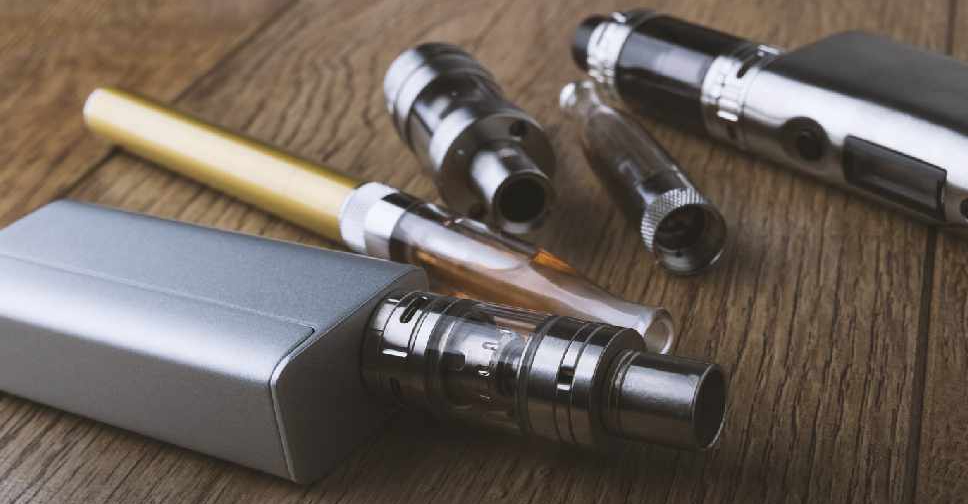 UAE sets minimum excise price for e-cigarette liquids
 Meta apologises to India for restricting PM Modi's post
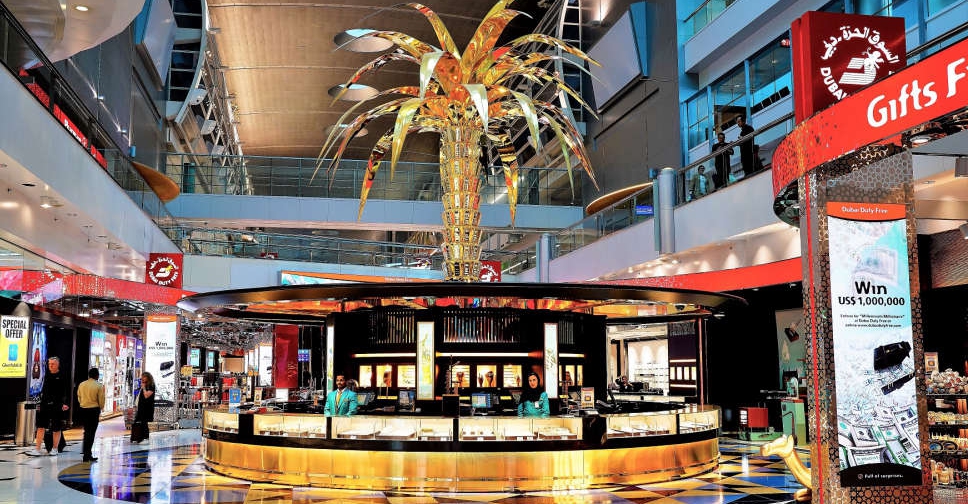 Dubai Duty Free to offer payment in cryptocurrency
 UAE's GDP grows by 3% to AED485 billion in first quarter of 2026