Thailand is walking back a policy that would have allowed limited land ownership by wealthy foreigners, a government official said on Tuesday, after a public backlash against the plan.
Earlier this year, the government announced the plan aimed at attracting investment from overseas, limiting foreigners to 1 rai (0.16 hectares) of land if they invest at least 40 million baht ($1.07 million) in securities or bonds for at least three years.
Critics have argued the investment sum was too small and that the policy could drive up property prices, crowding out local ownership.
"The interior ministry has withdrawn the proposal ... to listen to opinion from all parties so that it is comprehensive," government spokesperson Anucha Burapachaisri told a news conference.
Interior Minister Anupong Paochinda called the issue "a delicate matter" and said a study was needed to weigh the advantages and disadvantages.
Thailand has been on a drive to lure foreign investment to boost the economy, including long-term visa schemes and income tax breaks for "high potential" foreigners, wealthy retirees and skilled-professionals.
Southeast Asia's second-largest economy is expected to grow 3.3 per cent this year and has for decades been one of Asia's most popular destinations for western expatriates, businesses and retirees.
Dubai-based TECOM Group has reported a strong financial performance for 2025, driven by rising demand across its commercial, industrial and land portfolios.
Family-owned businesses are being encouraged to take a more active role in shaping sustainable investment and social impact, as leaders met in Dubai to discuss how family wealth can be positioned for the future.
The Comprehensive Economic Partnership Agreement (CEPA) between the UAE and Vietnam has officially come into force, with an aim to "unlock investment opportunities in vital sectors such as renewable energy, technology and agriculture".
India's financial markets rallied sharply on Tuesday after a trade deal that slashed US tariffs on Indian goods to 18 per cent from 50 per cent, a development that investors said lifts a key overhang over the country's stocks, bonds and currency.
The UAE and the Democratic Republic of Congo have formalised economic ties through signing a Comprehensive Economic Partnership Agreement (CEPA) on Monday that aims to reduce tariffs and eliminate trade barriers.
The United Arab Emirates has pledged $500 million in humanitarian assistance for Sudan, as international efforts continue to address the worsening crisis caused by the country’s ongoing civil war.
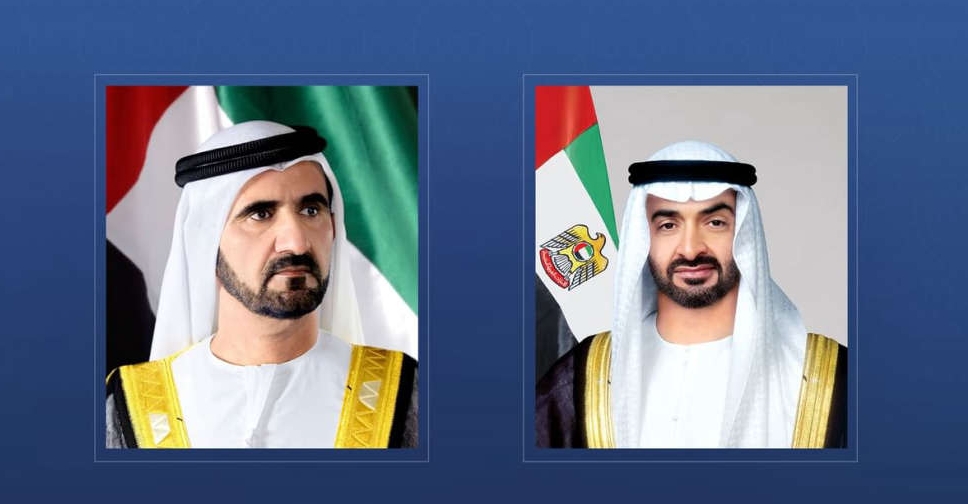
UAE President His Highness Sheikh Mohamed bin Zayed Al Nahyan has led messages welcoming guests to the World Governments Summit 2026, running from February 3 - 5 under the theme ‘Shaping Future Governments’.
Dubai’s Roads and Transport Authority (RTA) has unveiled an autonomous electric transit system that officials say could transform urban travel and help ease congestion across the emirate.





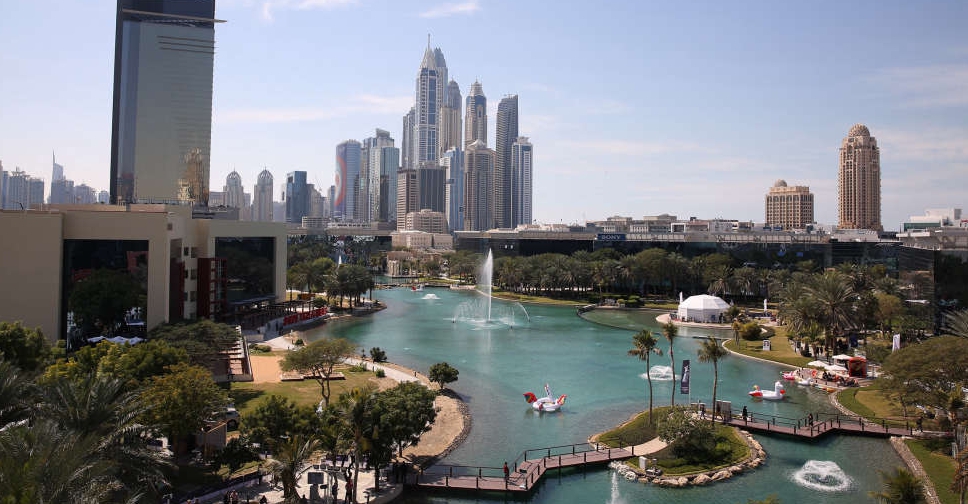 TECOM Group posts strong 2025 results as revenues and profits rise
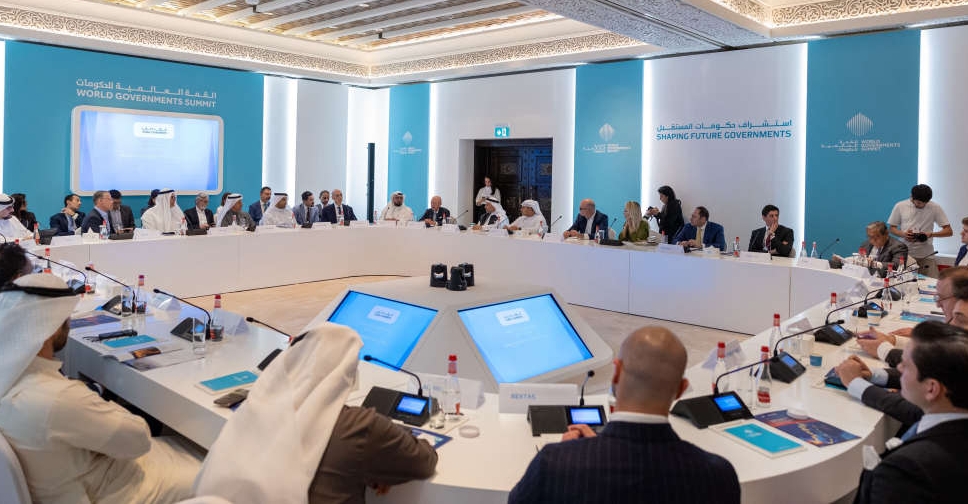 Family businesses urged to rethink investment, philanthropy at Dubai summit
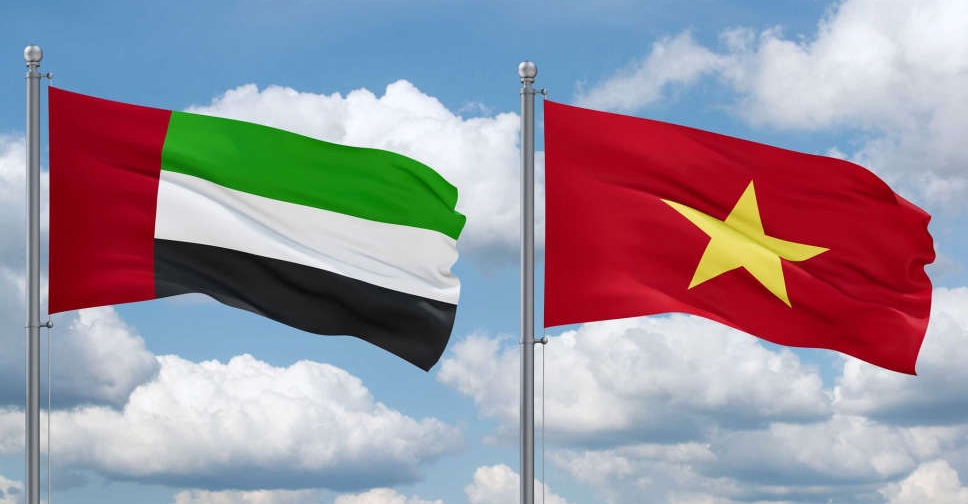 UAE-Vietnam CEPA enters into force
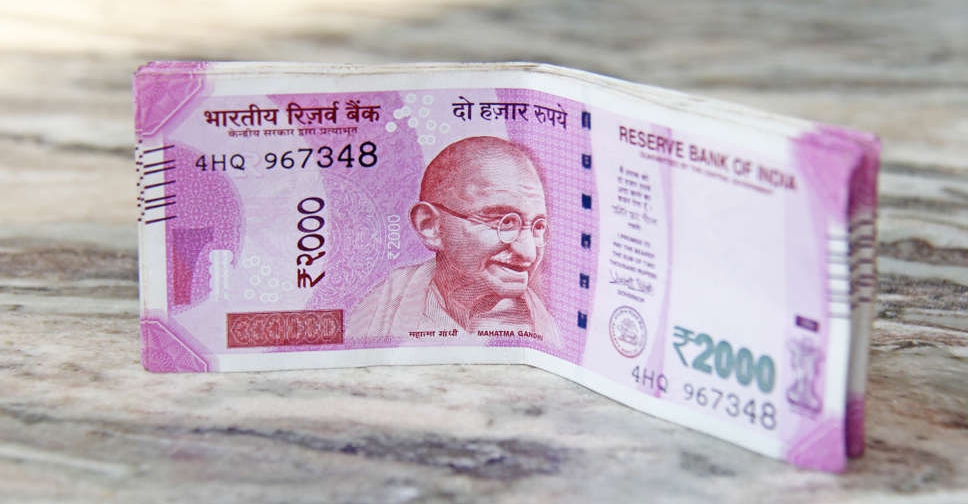 Indian rupee, stocks soar in relief rally after trade deal with US
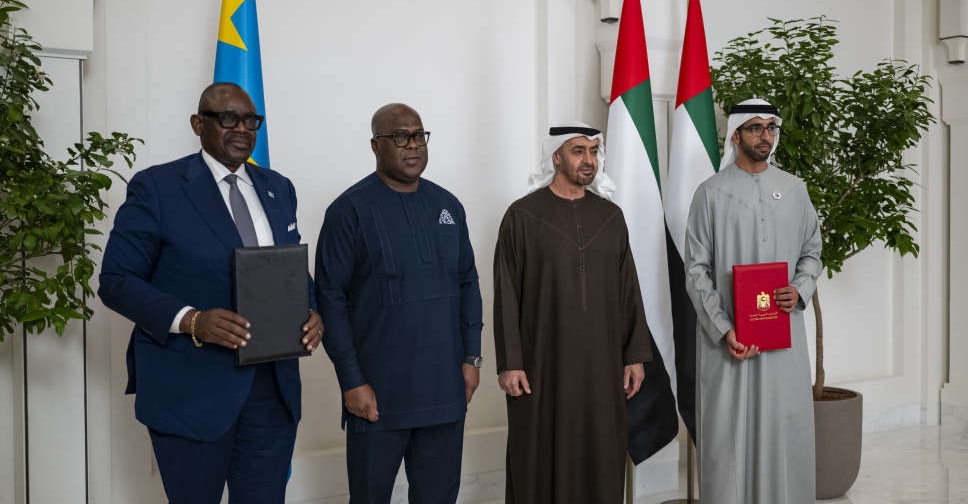 UAE, DR Congo sign CEPA to strengthen economic partnership