

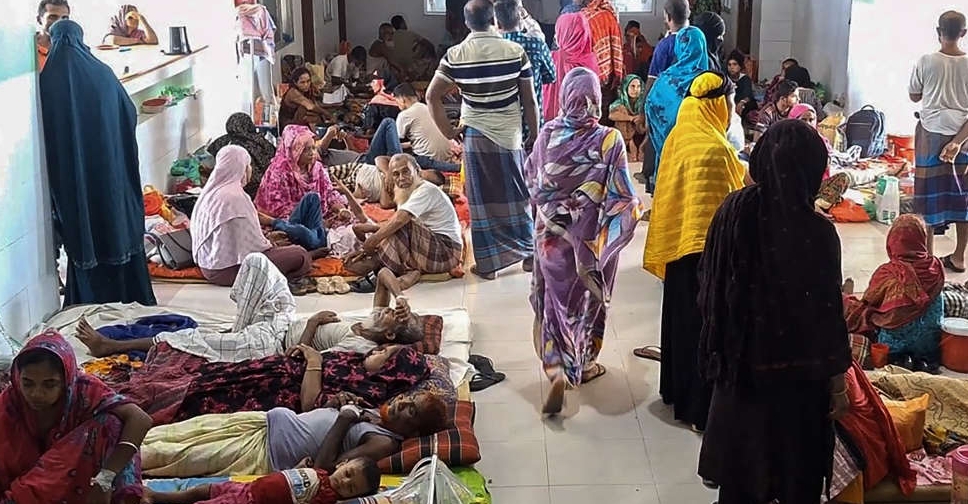
Bangladesh’s dengue outbreak is worsening rapidly with over 50,689 dengue cases and 215 deaths reported nationwide this year, heath experts warning the disease could spiral if urgent and coordinated mosquito control efforts are not launched.
Professor Kabirul Bashar, an entomologist at Jahangirnagar University, said the outbreak of the mosquito-borne disease — already severe in September — could turn “alarming” this month due to climate change and erratic rainfall, as well as extended holidays and weak local government action that disrupted anti-mosquito drives.
“If we fail to act now, the situation could spiral out of control,” Bashar said.
He said climate change has extended the breeding season for mosquitoes, while delays in cleaning and fogging drives have worsened the problem. Once confined mostly to cities, dengue is now spreading to smaller towns and rural areas, raising fears that it could become endemic nationwide.
With hospitals under growing strain and infections still rising, health officials fear the crisis will deepen in the coming weeks.
The crisis is being compounded by a rise in cases of chikungunya, also a mosquito-borne disease. Although chikungunya is rarely fatal, it often leaves both children and adults suffering from severe joint pain and lingering weakness.
Bangladesh’s worst year on record for dengue was 2023, when the disease killed 1,705 people and infected more than 321,000. Experts warn that the country could face another devastating cycle if strong preventive measures are not taken.

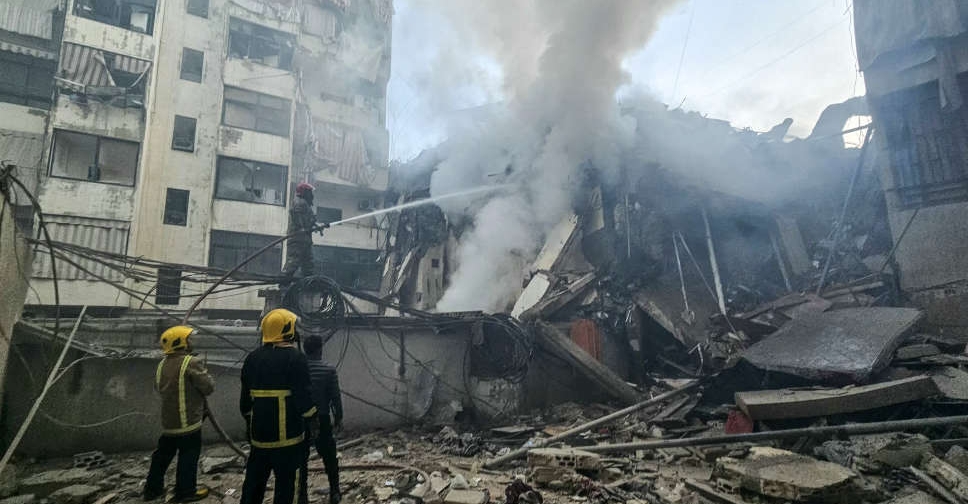 Civilians pay heavy price as war in Lebanon drives death, displacement, UN says
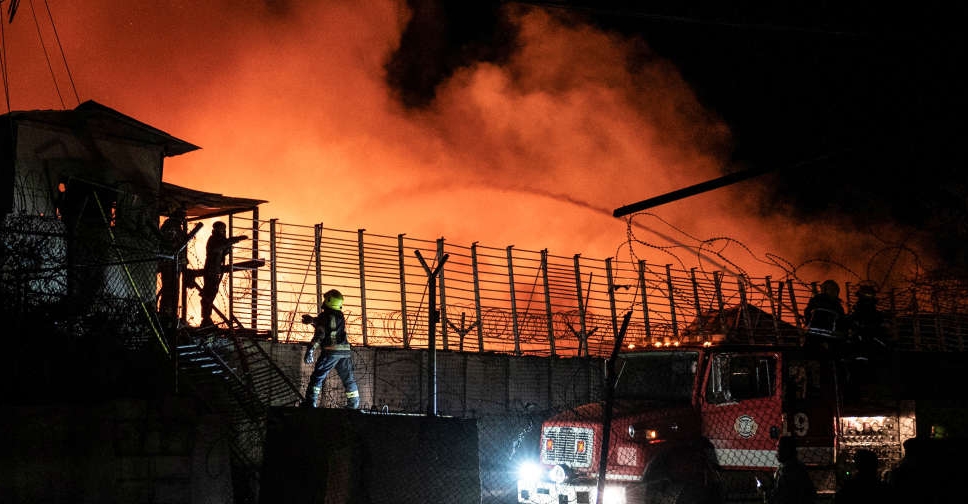 Afghan Taliban says 400 killed in Pakistan air strike on Kabul hospital
 Bomb attacks kill at least 23 in Nigeria's Maiduguri
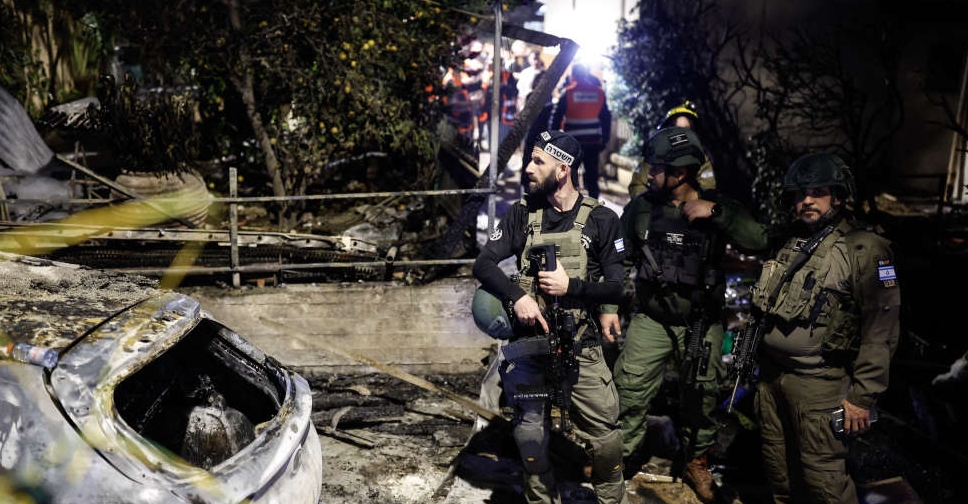 Five countries warn against major Israeli ground offensive in Lebanon