

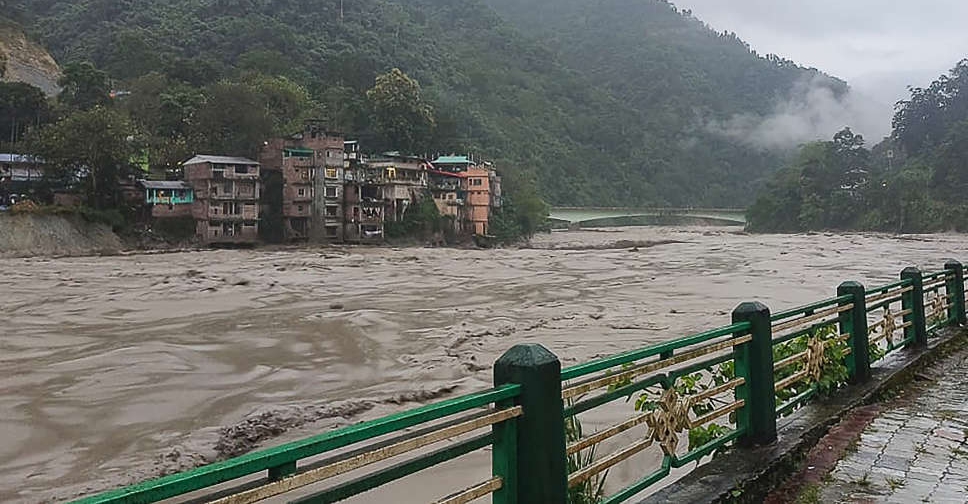
An early warning system for glacial floods was due to have been installed in the Indian Himalayas last year, but work on the project only began in September, officials said, too late to raise the alarm before last week's floods that killed dozens.
Reuters first reported that scientists were working on an early warning system at Lhonak Lake in the northeastern state of Sikkim which if fully operational could have given people more time to evacuate when the lake overflowed and triggered flash floods.
But the project began just weeks before the floods killed at least 60 people and left more than 100 missing because Indian authorities could not organise an expedition to the site last year as planned, the officials said.
In recent years, glacial flood early warning systems have been deployed in China, Nepal, Pakistan and Bhutan as climate change has raised the risks of flooding.
The Lhonak Lake system is a pilot project being executed with the help of Swiss agencies, with India’s National Disaster Management Authority (NDMA) as the main coordinator.
NDMA member Krishna S. Vatsa said there was a delay as it was a complex expedition for several reasons, including the fact that the lake, high in the mountains on India’s border with China, is accessible only from July to September.
“It was a large inter-agency expedition, which could not be organised last year and had to be done this year, because you have to carry a lot of equipment ... and there is a limited window to go to the site,” Vatsa told Reuters.
“It's a sensitive border area so we had to get all clearances,” he said. “...We also had limited time to get there, and we had to get all agencies to agree on one particular date for this expedition.”
As climate change warms high mountain regions, many communities are facing dangerous glacial floods. Lakes holding water from melted glaciers can overfill and burst their surrounding walls, sending torrents rushing down mountain valleys.
More than 200 such lakes now pose a very high hazard to Himalayan communities in India, Pakistan, China, Nepal and Bhutan, according to 2022 research.
Sikkim, which is wedged between China, Nepal and Bhutan, has revised the death toll from last week's disaster downwards from 74 saying some bodies were counted two times – once by local authorities and again in neighbouring West Bengal where more than 40 bodies were found.


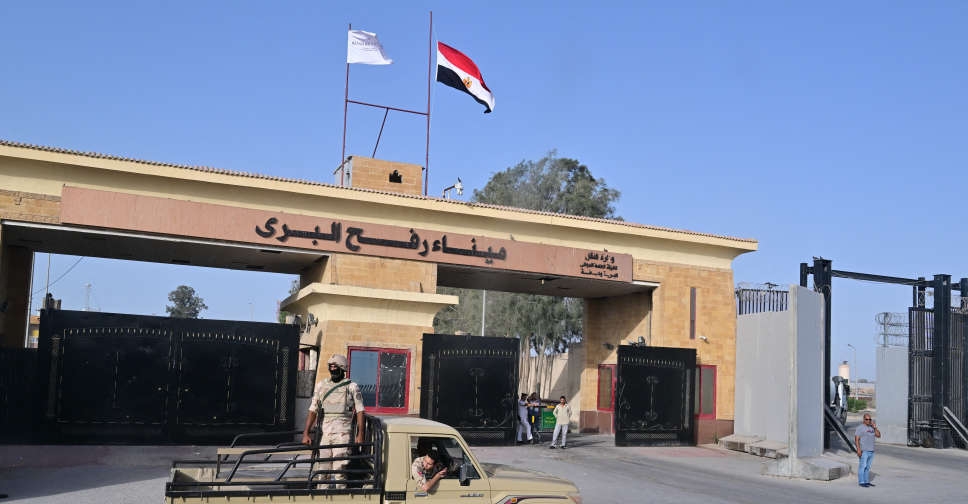 Reopening of Gaza's Rafah crossing expected Monday
 Winter storm death toll in United States reaches 90
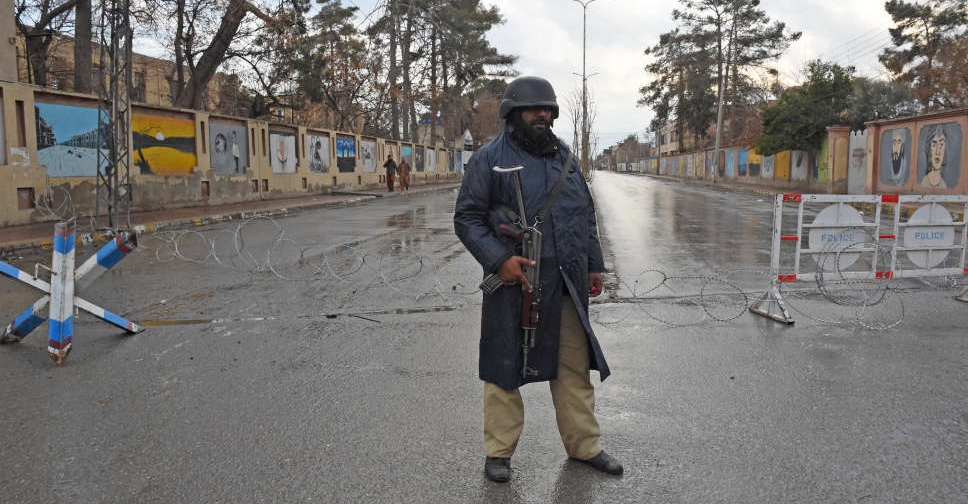 Pakistan says 145 militants killed after attacks in Balochistan
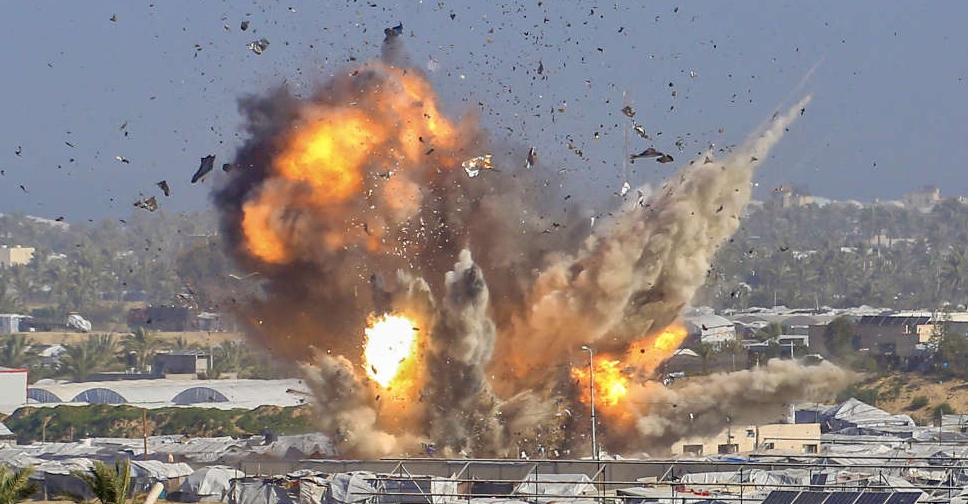 Israeli strikes kill 26 in Gaza, health officials say