

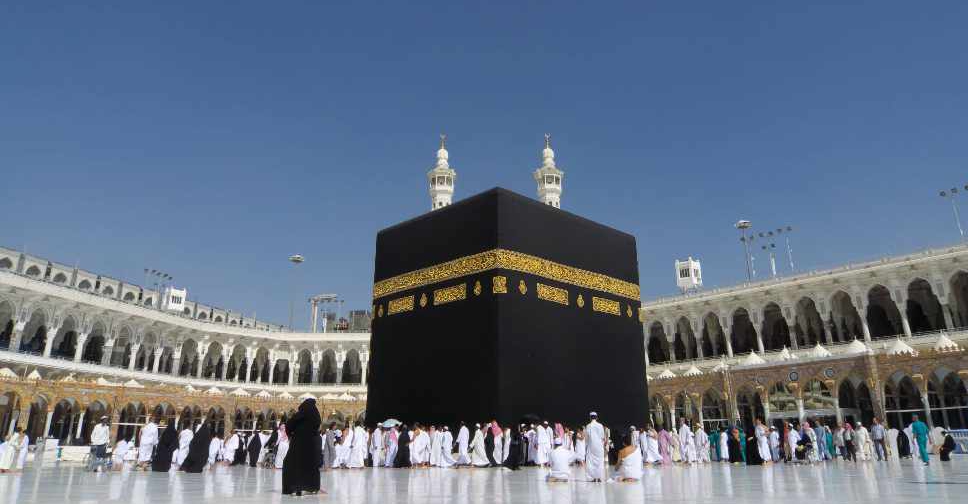
Nearly two million Muslims will reach the end of the Hajj pilgrimage this week, but extreme heat has proved fatal for hundreds who began the journey last Friday to the Kaaba at the Grand Mosque in Mecca in Saudi Arabia.
At least 562 people have died during the Hajj, according to a Reuters tally based on foreign ministry statements and sources.
Egypt alone has registered 307 deaths and another 118 missing, medical and security sources told Reuters, as temperatures at times soared past 51 degrees Celsius (124 Fahrenheit).
"It was so harsh and the people cannot bear that type of heat," said Wilayet Mustafa, a Pakistani pilgrim.
A witness said bodies lay on the side of the road near Mina, just outside Mecca, covered with the white Ihram cloth - a simple garb worn by pilgrims - until medical vehicles arrived.
Climate scientists say such deaths offer a glimpse of what is to come for the tens of millions of Muslims expected in coming decades to undertake the Hajj.
"The Hajj has been conducted in a certain way for more than 1,000 years now, and it's always been a hot climate," said Carl-Friedrich Schleussner, a scientific advisor at German institute Climate Analytics. "But ... the climate crisis is adding to the severity of the climate conditions".
During the Hajj to the Kaaba, a cube-shaped stone structure at the Grand Mosque, pilgrims perform religious rites as taught by the Prophet Mohammad to his followers 14 centuries ago.
Integral parts of the Hajj, Schleussner said, such as the ritual climb of Mount Arafat, have become "incredibly dangerous to human health."
The timing of the Hajj is determined by the lunar year, which sees the pilgrimage move back by 10 days annually. While the Hajj is now moving towards winter, by the 2040s it will coincide with the peak of summer in Saudi Arabia.
"It is going to be very fatal," said Fahad Saeed, a climate scientist at Climate Analytics based in Pakistan.
Heat-related deaths along the Hajj are not new, and have been recorded back to the 1400s.
A lack of acclimatization to higher temperature, intense physical exertion, exposed spaces, and an older population makes pilgrims vulnerable.
Last year, more than 2,000 people suffered from heat stress, according to Saudi officials.
The situation will get much worse as the world warms, scientists said.

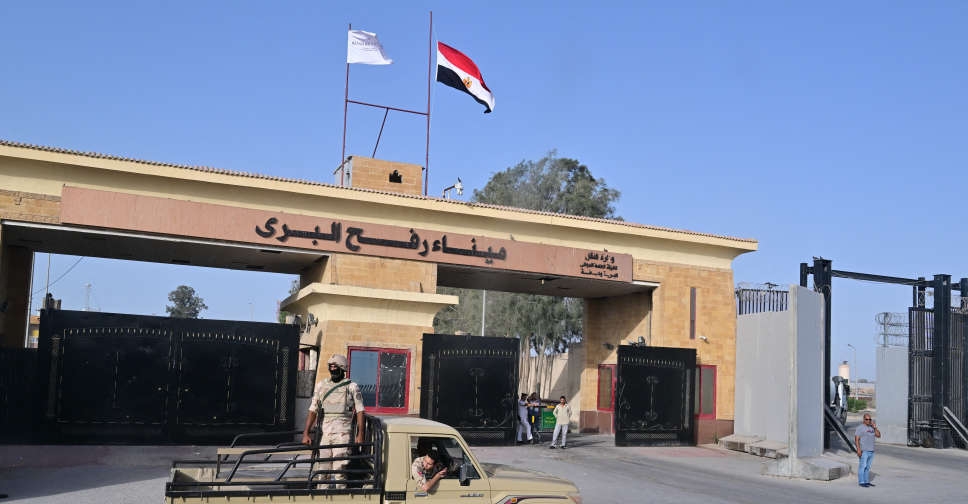 Reopening of Gaza's Rafah crossing expected Monday
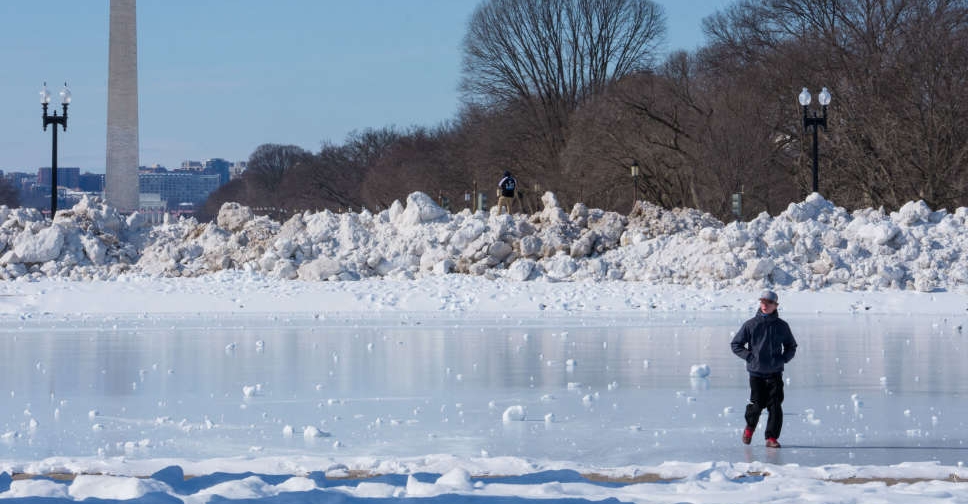 Winter storm death toll in United States reaches 90
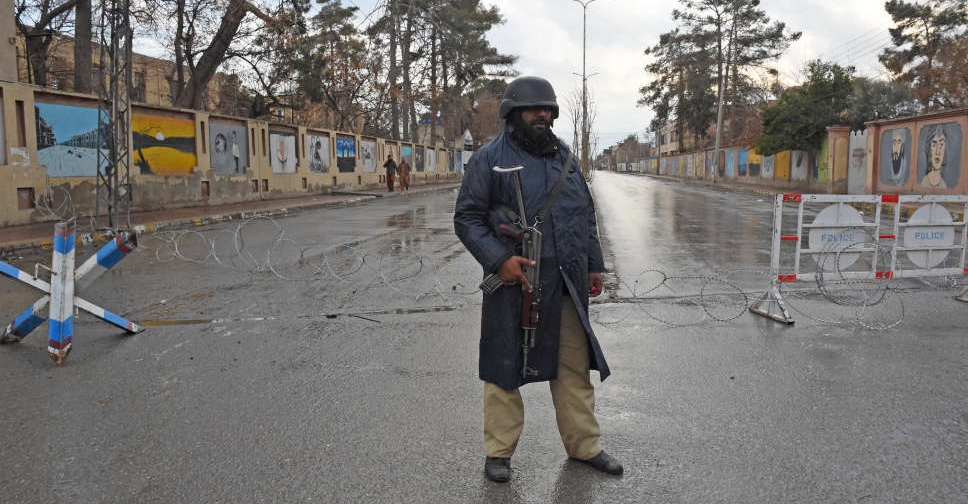 Pakistan says 145 militants killed after attacks in Balochistan
 Israeli strikes kill 26 in Gaza, health officials say