
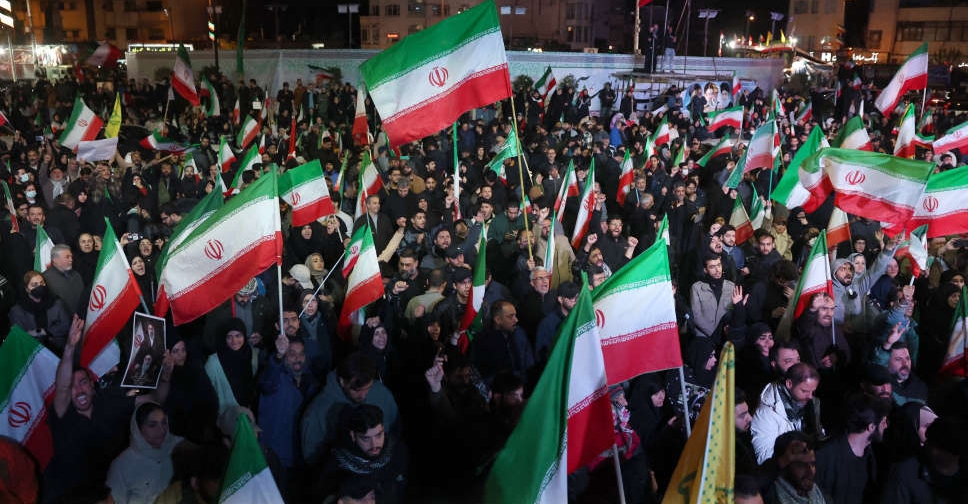
The United States and Iran agreed to a two-week ceasefire brokered by Pakistan, suspending a six-week-old war that has killed thousands, spread across the Middle East and caused unprecedented disruption to the world's energy supplies.
There was relief on many of the region's streets and in world financial markets after President Donald Trump announced the agreement late on Tuesday, two hours before a deadline he had set for Iran to open the blockaded Strait of Hormuz or face the destruction of its "whole civilisation".
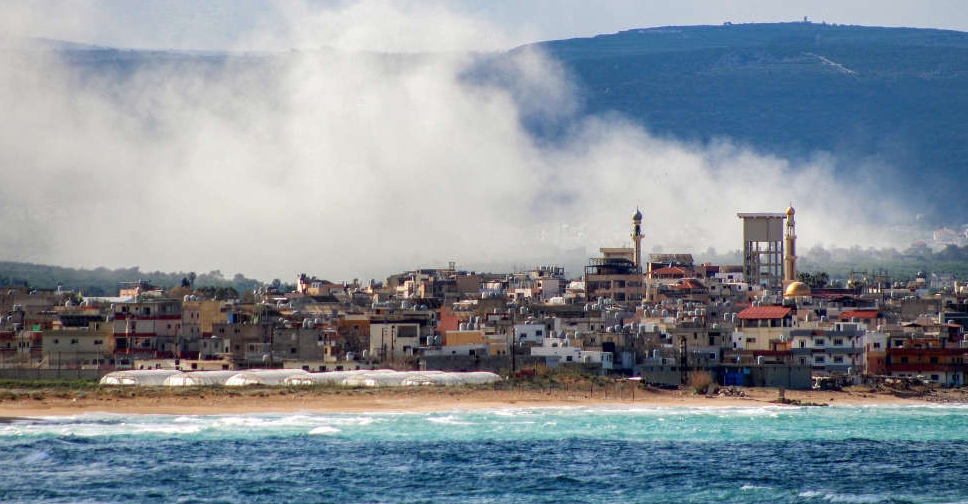
But even as Israel paused its attacks on Iran, it escalated its parallel war in Lebanon, launching what it described as its biggest strikes yet, which Lebanon's health minister said had caused hundreds of casualties.
Though the United States and Iran both declared victory, their main disputes remained unresolved, each sticking to competing demands for a potential peace deal that could shape the Middle East for generations.
A senior Iranian official involved in the discussions told Reuters Tehran could open the Strait of Hormuz on Thursday or Friday ahead of planned peace talks in Pakistan, if a framework for the ceasefire is agreed.
By Wednesday afternoon, the US and Israel appeared to be abiding by their promise to pause the devastating air campaign that had pounded hundreds of Iranian targets a day for six weeks.
But in Lebanon, explosions tore through residential areas in Beirut and huge columns of smoke rose into the sky. Residents in Beirut and the south said the attacks had come without the usual warnings to evacuate targeted buildings.
Meanwhile, Iran's Gulf neighbours, including Kuwait, the UAE and Bahrain, were still reporting incoming attacks by Iranian missiles and drones. Two sources said there had been attacks on Saudi Arabia's pipeline to the Red Sea, the main outlet for Gulf oil to bypass the blockaded strait.
INVITATION TO TALKS
Pakistani Prime Minister Shehbaz Sharif said he had invited Iranian and US delegations to meet in Islamabad on Friday for what would be the first official peace talks of the war, and that Iran's president had confirmed Tehran would attend.
But there was no official confirmation from Washington of plans to attend in-person talks. The White House said no meeting would be considered official until formally announced.
US Vice President JD Vance, seen as the potential head of an American delegation, said Trump had told negotiators to try to reach an agreement, though Vance stopped short of confirming talks at any specific time or place.
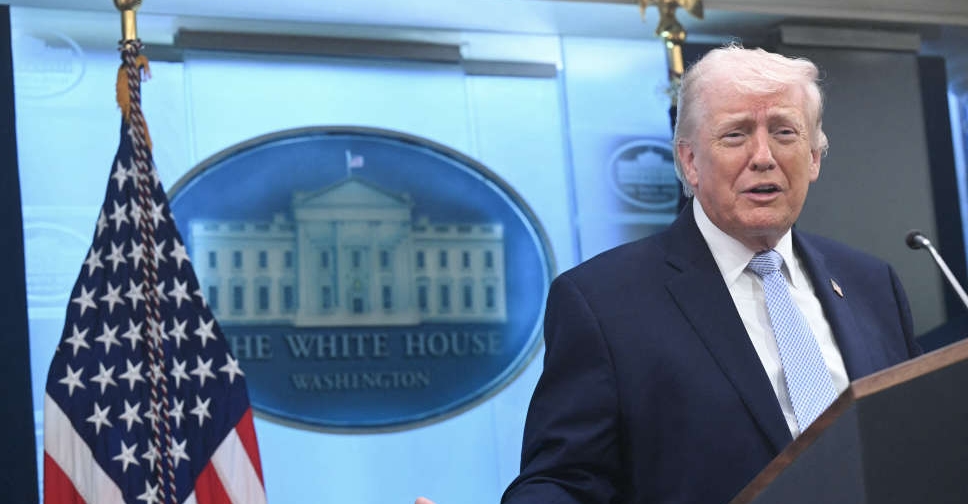
In a flurry of online posts on Wednesday morning, Trump announced new tariffs of 50 per cent on all goods from any country that supplies Iran with arms. He insisted that Iran had undergone "regime change" and that it would agree not to enrich uranium, which can be used in nuclear warheads.
Defence Secretary Pete Hegseth said Washington had won a decisive military victory, and that Iran's missile programme had been functionally destroyed.

 Trump says US will work closely with Iran, discuss sanctions
 Lebanon undergoes heaviest Israeli bombardment since war began
 Israel issues new evacuation order for Tyre in southern Lebanon
 Greece to ban social media for under-15s from 2027, PM says