
The US military is deploying thousands of Marines to the Middle East, officials told Reuters on Friday, as President Donald Trump accused NATO allies of cowardice over their reluctance to send forces to help open the Strait of Hormuz.
The narrow waterway, the conduit for around a fifth of global oil and liquefied natural gas supplies, has been effectively closed to most shipping since the United States and Israel launched the war against Iran almost three weeks ago.
With a major share of global oil and natural gas supply choked off and vital energy infrastructure in both Iran and the neighbouring Gulf states coming under attack, oil prices have jumped about 50 per cent since the start of the war, threatening a global economic shock.
Already, more than 2,000 people have been killed, most in Iran and Lebanon, while Americans, facing sharply higher prices and wary of military entanglement, have appeared increasingly concerned at signs it could expand further.
According to a Reuters/Ipsos poll this week, almost two thirds of Americans believe Trump will order troops into a large-scale ground war, with only 7 per cent supporting such a move.
On Friday, Israel said two large waves of airstrikes hit weapons production sites and ballistic missile launchers storage facilities in Tehran. Israel faced at least seven waves of missile attacks from Iran, according to Israeli military alerts, as sirens and booms from interceptions were heard in Tel Aviv and Jerusalem throughout the day.
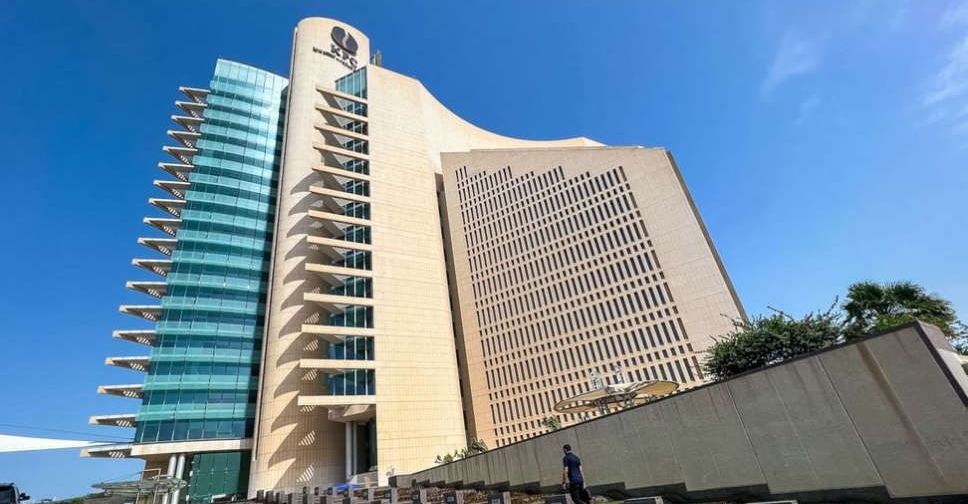
Kuwait's state oil firm said its Mina Al-Ahmadi refinery had suffered multiple drone attacks that set some units alight, the latest in a series of energy facilities to be hit by Iran in recent days.
TROOPS DEPLOY
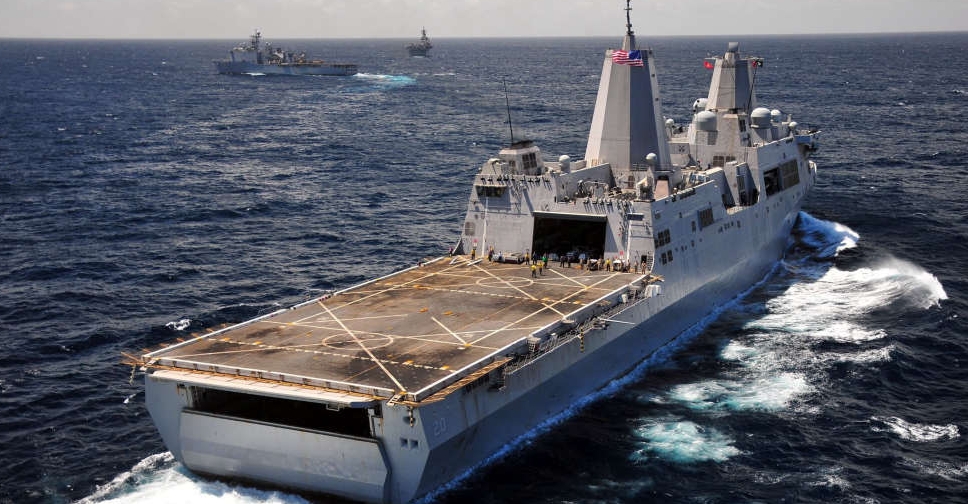
With no clear end in sight, three US officials told Reuters the USS Boxer, an amphibious assault ship, along with its Marine Expeditionary Unit of about 2,500 Marines and accompanying warships would deploy to the region, though they did not say what their role would be.
Two officials said no decision had been taken on whether to send troops into Iran itself but this week, a US official and three people familiar with the matter told Reuters that US troops could potentially land on Iran's shore or its Kharg Island oil export hub.
Trump has said the campaign has been going according to plan but he has vented his fury at US allies for declining to help open the strait while fighting continued, albeit in a conflict they were neither consulted on nor advised of.
Germany, Britain, France, Italy, the Netherlands and Canada, as well as NATO non-member Japan, pledged in a joint statement on Thursday to join "appropriate efforts to ensure safe passage through the Strait".
Britain authorised the US to use military bases in Britain to hit Iranian missile sites threatening shipping but German Chancellor Friedrich Merz, who said he would speak to Trump this weekend and French President Emmanuel Macron have both said any active intervention would require an end to the fighting.
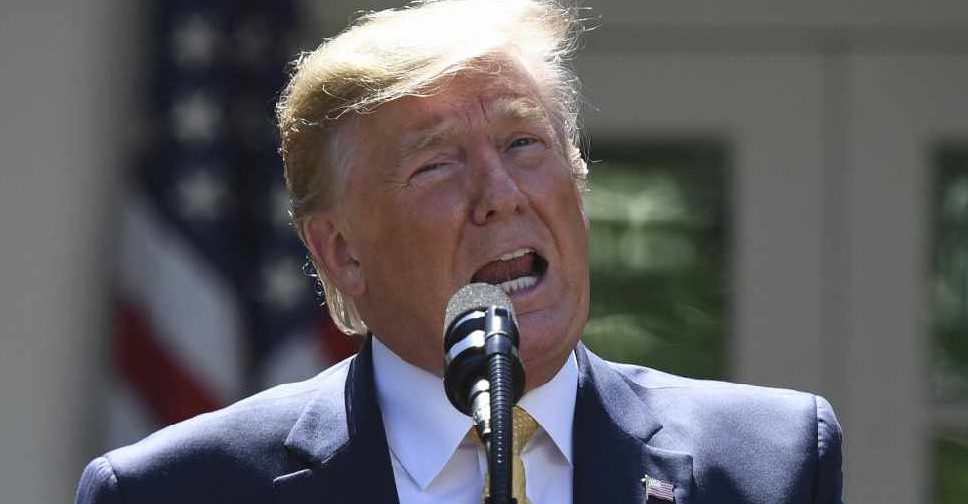
On his social media platform, Trump said countries complaining about high oil prices were refusing to help open the Strait of Hormuz, "a simple military manoeuvre that is the single reason for the high oil prices".
"So easy for them to do, with so little risk. COWARDS, and we will REMEMBER!" he wrote.

 US considering 'winding down' military efforts in Iran war, says Trump
 Fire breaks out at Kuwaiti refinery after drone attacks
 US strike against alleged drug smugglers in eastern Pacific kills two
 UK says vaccine protects against strain in deadly meningitis outbreak